Student schedules look productive on paper and look very different in practice. There are real gaps in every day: the 20 minutes between two classes, the wait before a study group, the slow stretch after lunch when nothing serious starts. Most of that time goes to scrolling. A short, focused learning app changes what's possible in those gaps without asking students to find more hours they don't have. The SmartyMeapp fits this pattern in a way that traditional learning tools don't, because it was built around the same kind of short attention windows students already have.
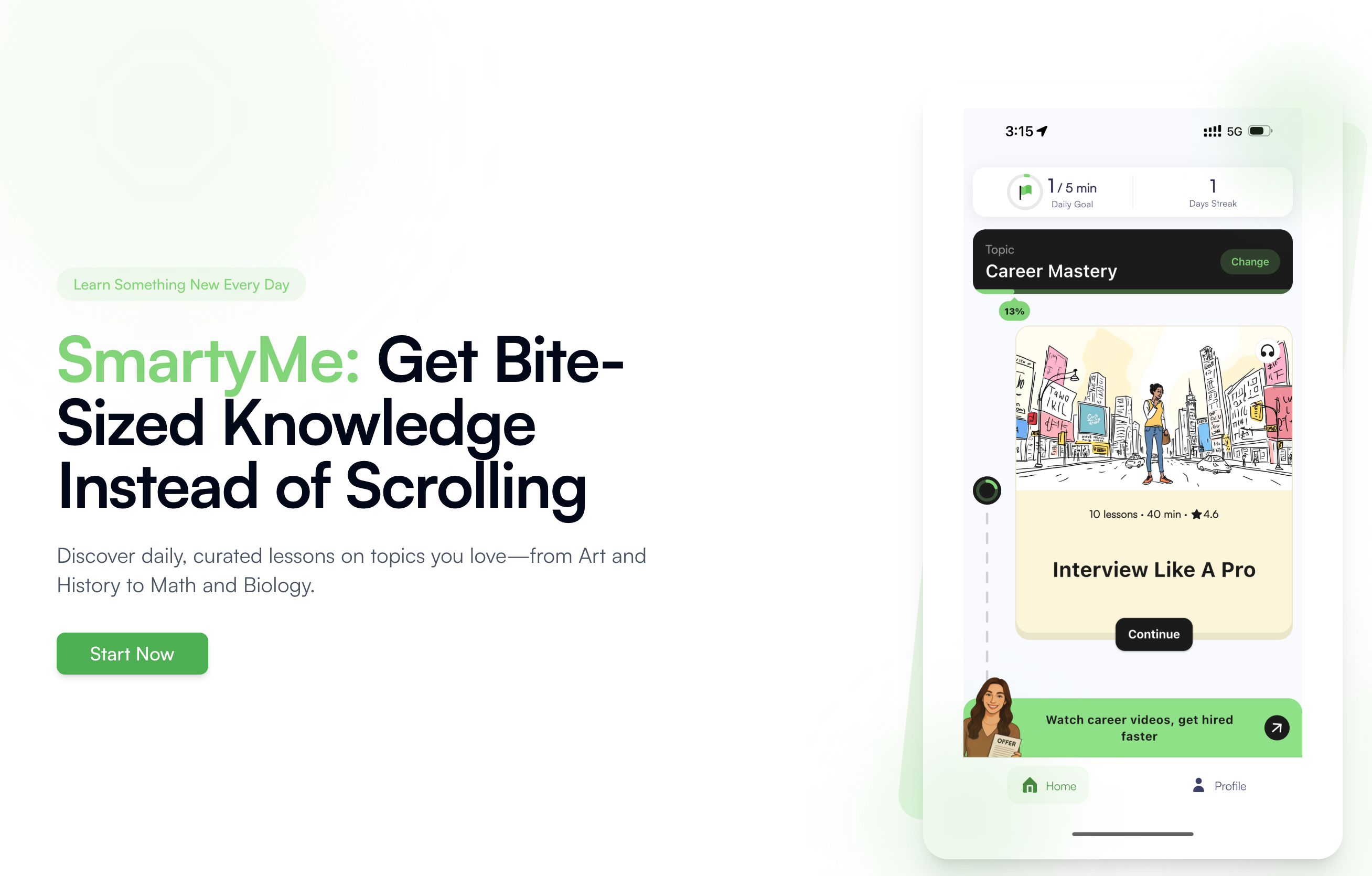
Why Students Have More Idle Time Than They Think
A typical student day has more downtime than it feels like in the moment. Walking between buildings, waiting for a delayed class, sitting on a bus, killing time before a meeting with a professor. None of these are long enough to start serious studying, and most of them get spent on phones anyway. Microlearning fits because it asks for the exact amount of time these gaps already provide.
Lessons of approximately 10-15 minutes fit a gap between classes without bleeding into the next one. There's no setup, no need to find a quiet place, no risk of getting too absorbed and being late. The format respects the constraints students already have rather than fighting them.
Topics That Match Student Life
Some areas of the SmartyMe app catalog work especially well alongside formal coursework. The platform's 20 topics, 203 courses, and 1064 lessons cover ground that traditional university courses often skip or rush through. Topics that tend to land well for students include:
- Critical thinking and logical reasoning, useful for any major
- Communication and academic writing clarity
- Behavioral psychology, applicable across social sciences and everyday life
- Personal finance basics, rarely taught in school
- Time management and decision-making
The mix complements formal education rather than competing with it. A student studying engineering can use the platform to pick up soft skills their degree doesn't cover. A humanities student can supplement with finance or logic. The app fills the gaps that formal curricula leave open.
How to Build It Around a Class Schedule
The practical advice from students who use the platform regularly is to attach the lesson to something predictable. A morning coffee before the first class, the bus ride between campus and an apartment, the half-hour before a study group. Tying the lesson to an existing routine means it survives the chaos of midterm weeks and finals. For more practical tips from current users, https://www.reddit.com/r/Smartymeapp/comments/1qp7lr5/welcome_to_rsmartymeapp_you_can_start_here/ has a community guide that covers the basics for first-time users.
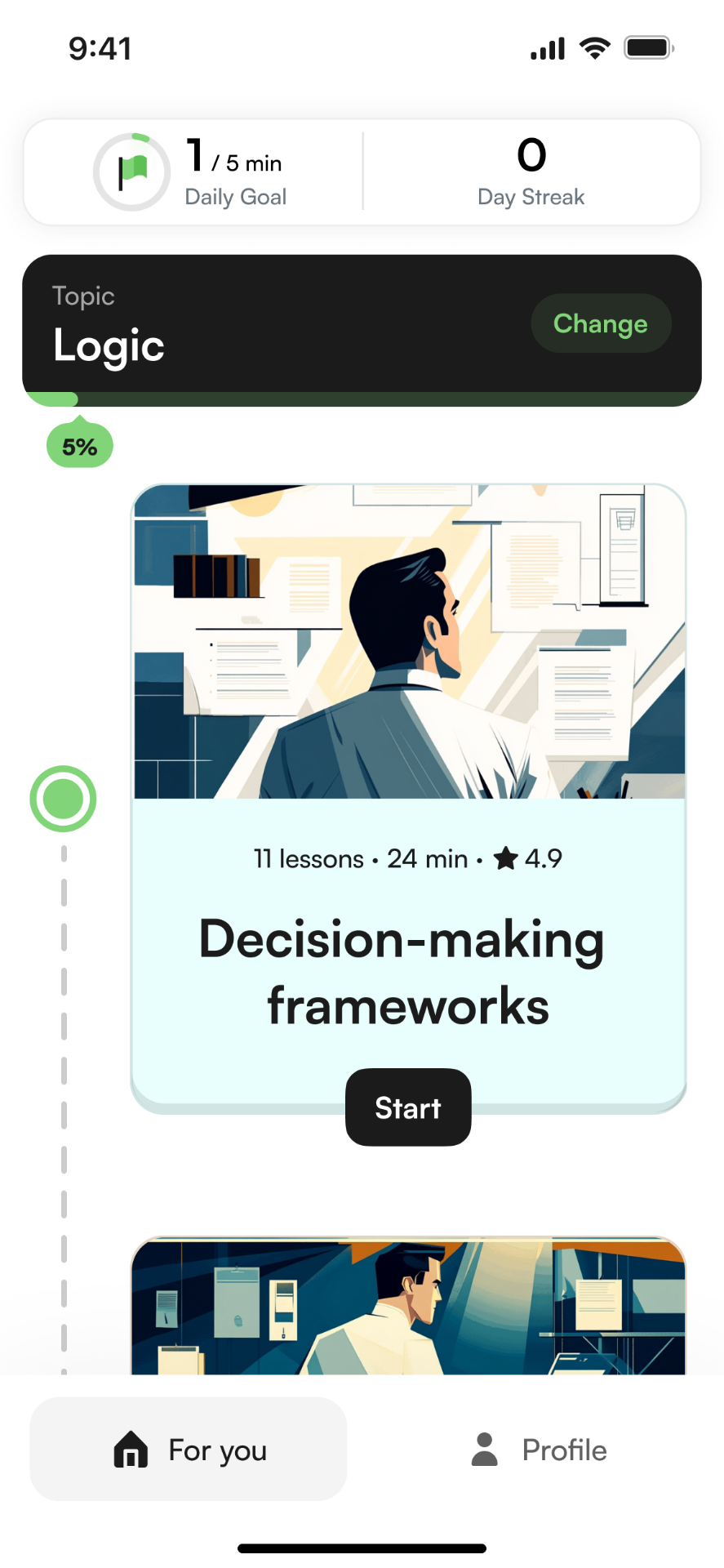
The audio mode helps here. Students often walk between locations, and listening to a lesson during that walk is more useful than another podcast or playlist. Short daily lessons in audio form turn dead transit time into something with a small but real payoff.
Where the Format Falls Short for Students
The honest counterpoint matters. Microlearning is not a substitute for textbook chapters, lab work, or extended writing assignments. It's an addition, not a replacement. Students who try to use it instead of formal study material miss the point of both. The platform is at its most useful when it covers ground formal classes don't, not when it competes with them.
Some topics also have a ceiling. A student who wants to go deep into a specialized field will find the introductions useful but eventually need other resources. That's expected from a short-format app and worth knowing before subscribing.
A Realistic Tool for Student Schedules
For students who want a way to keep learning something useful in the gaps their schedule already has, the app does what it's built to do. The format fits how students actually use their phones, the topics complement formal education, and the daily rhythm gives a small sense of progress even during weeks when academic work feels overwhelming.
- ecoPayz Casino Multi-Account Management Tips That Actually Work
- AFKSpin Casino – Glücksspiel in Deutschland 2025
- Online Casino Deutschland 2025 – GGL-Lizenz & Gamblerina Bonus
- Schweiz blockiert 3.000 Casino-Domains - Vorbild für Deutschland?
- Ice Fishing Volatilität erklärt: Risiko, Schwankungen und Spielverhalten im Live-Casino